Hussey, Anna Maria née Reed
22 August 1805 – 28 August 1853
Mycologist
Anna Maria was born in 1805 to Revd John Theodore Reed and his wife Anna Maria (née Dayrell). Her father was Rector of Leckhampstead, Bucks, and always had an interest in science. Anna Maria had four younger sisters and two brothers, the youngest Catherine was born in 1819. One sister died young but with Henrietta, Frances (Fanny) and Catherine (Kate or Kitty) she had a close relationship throughout their lives. Like her sisters, she was a talented painter and Illustrator.
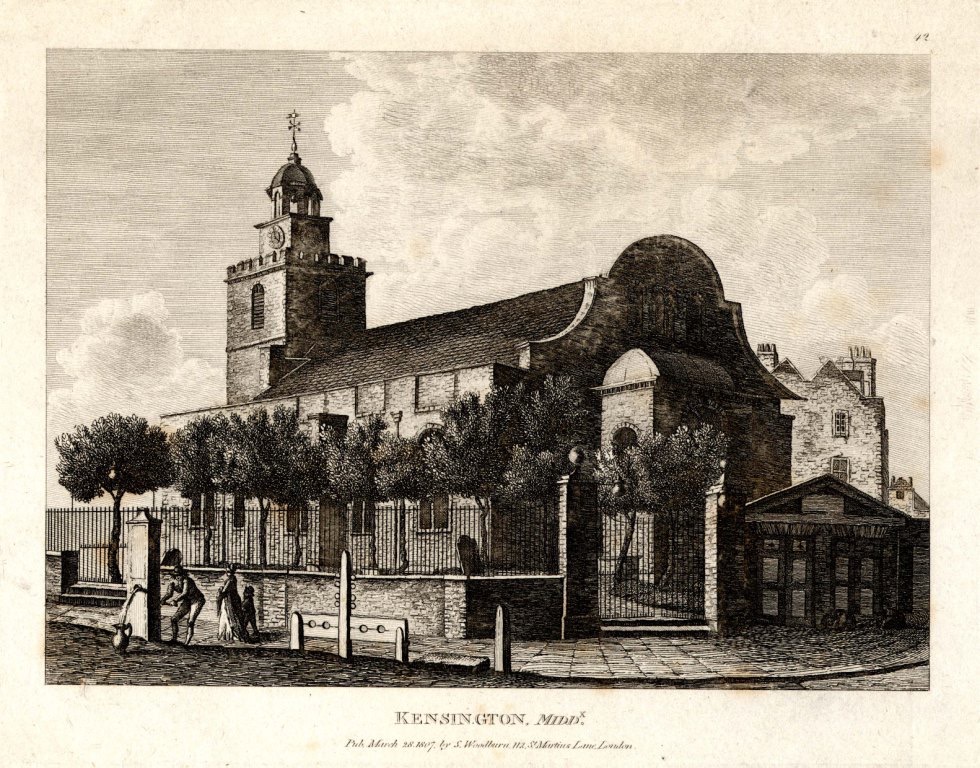
Anna Maria’s father died in 1830 and the following year she married Thomas John Hussey who had just been appointed as Rector of Hayes, Kent. It is unclear how they first met but there are letters from Leckhampstead written by Hussey in 1828.
Thomas Hussey always called her Maria and she referred to him as Tom. After he became a Doctor of Divinity in 1835 she frequently referred to him as the Doctor although he is also referred to as ‘my dear husband’. She shared some of his scientific interests and he helped her with her geological and later botanical studies.
Their daughter Catherine, born in September 1832, only lived four months but their son John, born 30 August 1833, survived into adulthood. Thomas, born 27 December 1834 died at 18 months and was buried on 10 June 1836, the same day that she gave birth to a daughter also named Anna Maria,
Holiday in Dover 14 July – 12 August 1836
It was decided that she needed to recuperate and with her baby, three year old son, sister Kate and two nurses she spent a month in Dover. Her lively diary survives and, apart from concern at one stage about her son John’s health, she seemed to be in a very happy mood, enjoying her explorations and following up her interest in geology. It was here she seems to have developed the interest in botany that later led to the production of two magnificently illustrated compilations of funguses.
Her husband Thomas saw the family safely installed in Dover and spent a day with them before he returned to Hayes. On their walk beneath the cliffs ‘the doctor was as happy, turning over the chalk, and poking about, as a school-boy – it was very very long since I had enjoyed anything so much as this ramble’. She was also delighted when he returned a couple of weeks later to greet them on a surprise visit and he also met them on their way home in August where Maria wrote “home looked all the lovelier for the absence and change of scene’.
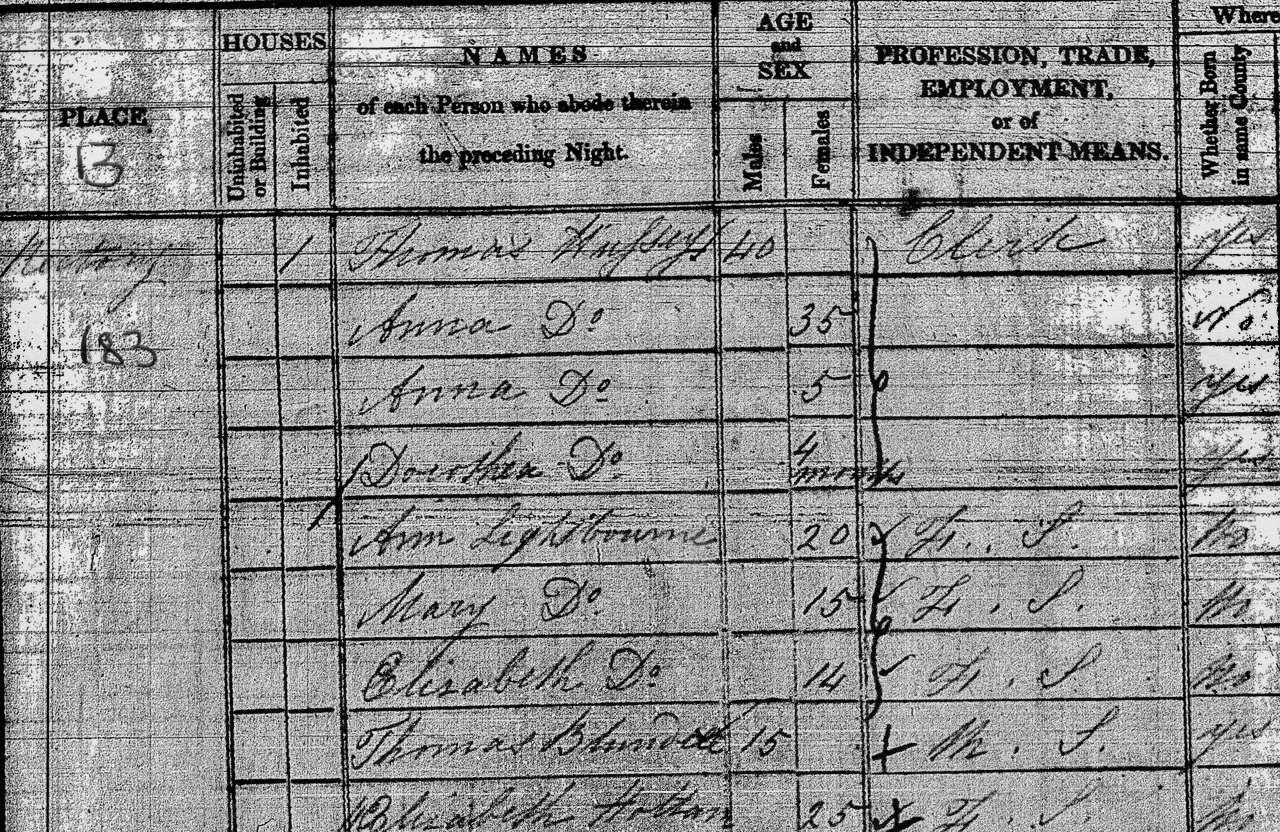
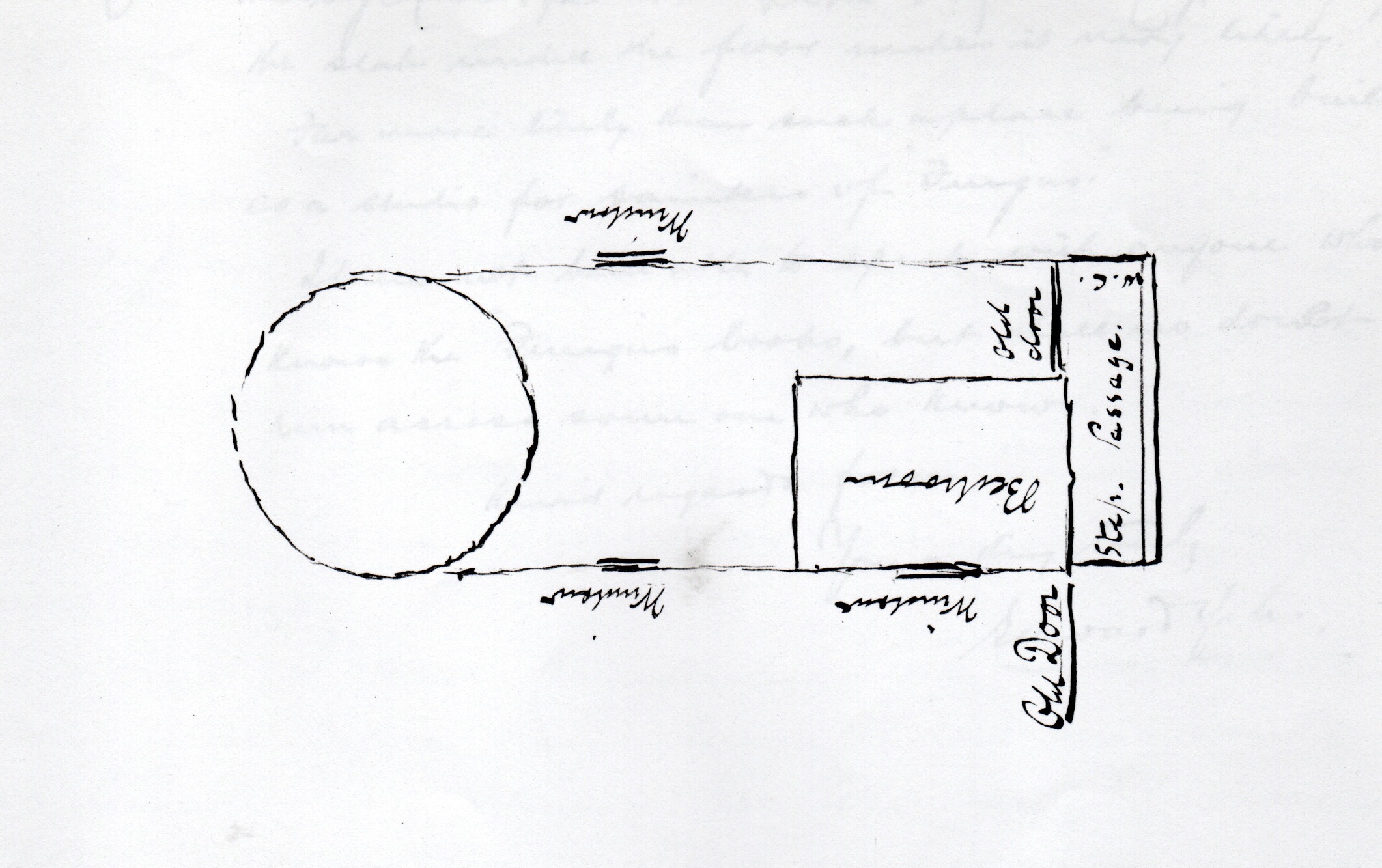
By 1841 Anna Maria had given birth to another daughter whom she named Dorothea. They had five servants, three of whom were from the same family. When her daughters were old enough a governess was employed. In 1916, fifty years after she had left Hayes, her daughter Anna wrote down her memories of the school room made in the former observatory and drew an approximate sketch. The bedroom was where the curate slept.
Recording her finds of funguses
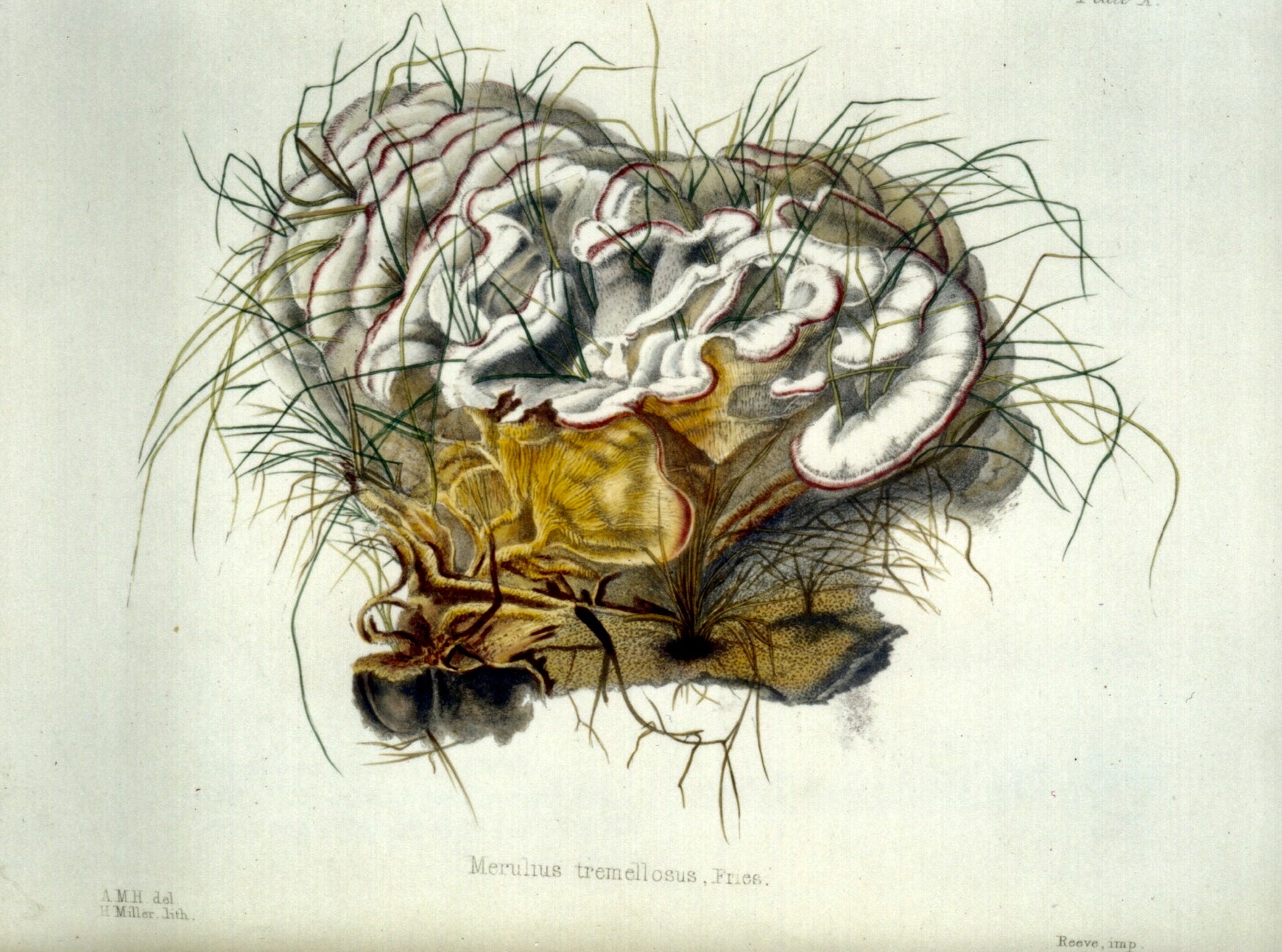
Anna Maria also used this room to dissect and paint the different funguses she found in the neighbourhood. She communicated with the leading mycologist of the day, Revd Miles Joseph Berkeley, to seek his advice on classification, and sent him samples of her finds, often sending them with Miss Wilhelmina Traill of Hayes Place. Miss Traill also let her use her greenhouse for some of her experiments.
Some of her letters to Berkeley survive and provide an interesting account both of her discoveries and of her difficulties in following her interests, coping with a young family and entertaining her husband’s scientific and mathematical contacts, such as Charles Babbage. In 1847 Thomas Hussey also invited the Lord Chancellor, Lord Brougham: ‘a very quiet but cordial welcome from Saturday to Monday … in a proverbially healthy place’. As the Rector’s wife she was expected to carry out social visits which she found conflicted with her desire to track down new species of mushrooms ‘I dream of them (fungi) all night as well as working all day’. The environment around Hayes was ideal for her studies. She wrote ‘ we have woods full of peat and springs, we have thousands of acres of heath’. The Rectory and its garden also provided an ideal source.
Her practice was to bring the samples back to the Rectory to draw them, categorise and dissect. She decided whether a specimen could be eaten and if so the best way to eat it whether by frying, in a stew or ketchup. The common truffle for instance she recommended was best stewed in champagne with a little oil or butter, pepper and salt. Often the smell told her that a particular fungus was one to avoid. “scaly Polyphorus’ for example was of no use and when boiled it resembled bad black treacle.
Thomas Hussey did not share her confidence in testing the samples although he occasionally helped her with her studies, had a special fork made to search for truffles and read the proof of her articles. Charles Darwin was one of the visitors to the Rectory and was probably more interested in discussing with her the mushroom varieties, stating ‘the doctor tended to talk too much’. The Hussey’s also visited the Darwins at Down House.
Publishing Illustrations of British Mycology, Volume 1
In the 1840s she and all the family suffered a great deal of illness, particularly with bronchitis. However, Anna Maria also planned to produce a book on her finds. Its purpose was to encourage people to enjoy looking at the beauty of the mushrooms. ‘It was for popular use & general and botanical interest.’
She decided to seek subscriptions to meet the cost of its production and soon had an impressive list of subscribers that included not only all the major householders in Hayes but also Charles Darwin, the Bishop of Norwich, Professor Airy and Revd Temple Chevalier of Durham who recalled seeing some of her work when he visited the Rectory to buy her husband’s astronomical instruments.
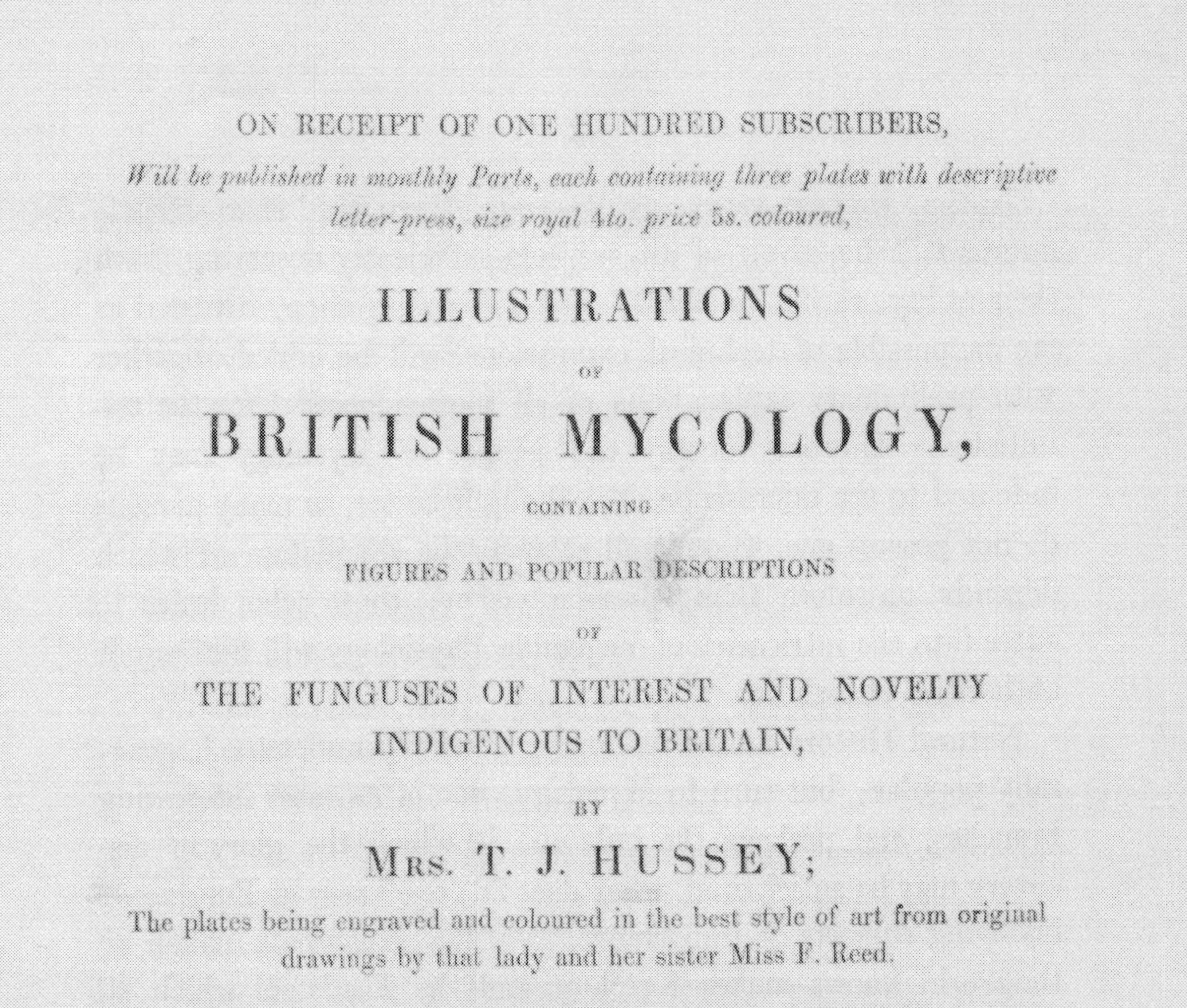
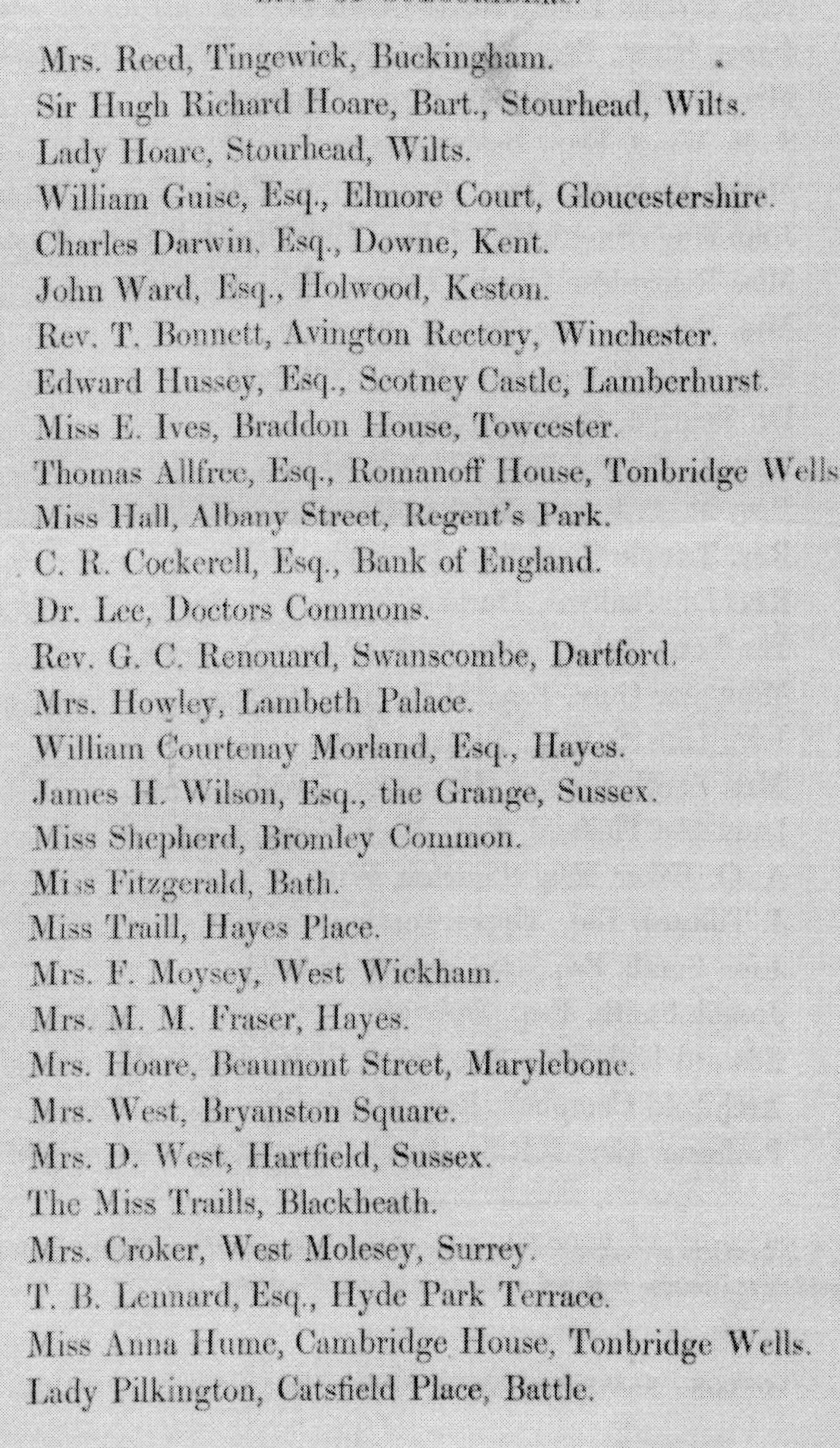
She did not make as much profit as she hoped from this venture. She received more from the articles she wrote for The Surplice, edited by her husband, and a romantic novel, serialised in parts, called ‘Matrimony’ for Fraser’s Magazine which she told Miles Berkeley had autobiographical elements.
Her sisters depart.
In 1851 she was very upset to hear that her favourite sister Catherine, who was unwell with TB, was leaving the UK to accompany her husband, Revd Benjamin Hill, who had been appointed to Valparaiso. Her other sisters were planning to go with him. She felt that she wouldn’t see them again. A greater shock was to hear Catherine had died suddenly two days before their departure. Devastated by this loss she also had to cope with her younger daughter’s illness. The Rector told Miss Traill that the inflammation of Dorothea’s eye had been improved by the application of leeches.
Illustrations of British Mycology Vol II
Meanwhile Anna Maria arranged with her publisher F Reeve & Co that he would bear the costs of completing her next volume of 60 plates. She agreed to provide 3 plates with the classifications etc. to be published once a month over 20 months. Sadly, she died when only 50 plates had been completed. The last two entries are not as detailed in the account and classification as the previous ones.
Death
By this time her health was suffering. In August 1853 she was in Paris with her twenty year old son John, presumably to recover. She died of a stroke in the Charenton Asylum on 26 August leaving the second volume of her work to be published posthumously in 1855.
Further information:
Oxford Dictionary of National Biography
Correspondence and Collections of Miles Joseph Berkeley – Botany Special Collections, Natural History Museum
Botany, Boats & Bathing Machines – Anna Maria Hussey’s holiday in Dover in 1836, Editor Elizabeth Finn, Kent Libraries and Archives
Anna Maria Hussey’s Mushroom Illustrations, Art Meets Science